Nationalist movements often flatten complexity in service of a common cause. And in the aftermath of such movements, when nations begin to tell their own stories, certain figures are elevated into myth, as embodiments of unity, strength, or sacrifice. Vallabhbhai Patel is one such figure, whose ideas and actions are more complex than simple narratives account for.
In this excerpt from Vallabhbhai Patel: The Limitations of Anti-colonial Nationalism and Electoral Politics, historian Rani Dhavan Shankardass reintroduces us to Patel—not as the “Iron Man” of postcolonial imagination, but as a man of his time: a product of caste privilege, conservative politics, and institutional order. The chapter traces his early life, legal career, and slow entry into political life, offering a portrait that complicates our understanding of nationalism and its leaders.
The Patel we meet here is not born into political activism. He is shaped first by his family’s relatively comfortable position as landholders in Gujarat and later by his success as a barrister in Ahmedabad. In this account, his political engagement begins not with fiery speeches, but through his exposure to Gandhi’s moral authority and organisational charisma. Patel becomes Gandhi’s lieutenant, not because he shares every ideological commitment, but because he sees in Gandhi a vehicle for a particular kind of order, a politics of discipline and self-reliance.
Crucially, Shankardass emphasises Patel’s preference for elite negotiation over mass mobilisation. He was wary of movements that slipped beyond the control of the Congress high command. For example, during peasant agitations or worker strikes, Patel’s instinct was often to contain, mediate, and redirect rather than amplify the demands from below. His nationalism, as the author makes clear, was cautious and hierarchical. It was anti-colonial but not necessarily anti-establishment.
This framing invites us to think more deeply about the internal contradictions of the Indian freedom struggle. The anti-colonial movement is often remembered as a radical rupture, a moment when the oppressed rose up against an imperial power. But Shankardass’s Patel reminds us that not all who opposed British rule did so in the same spirit. Many, like Patel, were interested in replacing colonial authority with indigenous leadership, not necessarily in transforming the social structures that colonialism had reinforced.
That is what makes this excerpt both timely and essential. It urges us to read nationalist leaders historically, rather than reverentially. Patel’s scepticism of popular politics and his preference for order over upheaval had real consequences, both during the struggle and after Independence.
In an age when political memory is increasingly polarised, where history is often a battleground of identity, this piece is a reminder of the value of nuance. To revisit the early years of Patel’s life and politics is to engage not only with a key figure of Indian history, but also with the broader questions his life raises: What does it mean to oppose colonialism without challenging hierarchy? What do we mean when we talk about ‘unity’?
This excerpt has been reproduced by the kind permission of Orient BlackSwan and you can buy “Vallabhbhai Patel: The Limitations of Anti-colonial Nationalism and Electoral Politics” by clicking on the book cover at the end of the page.
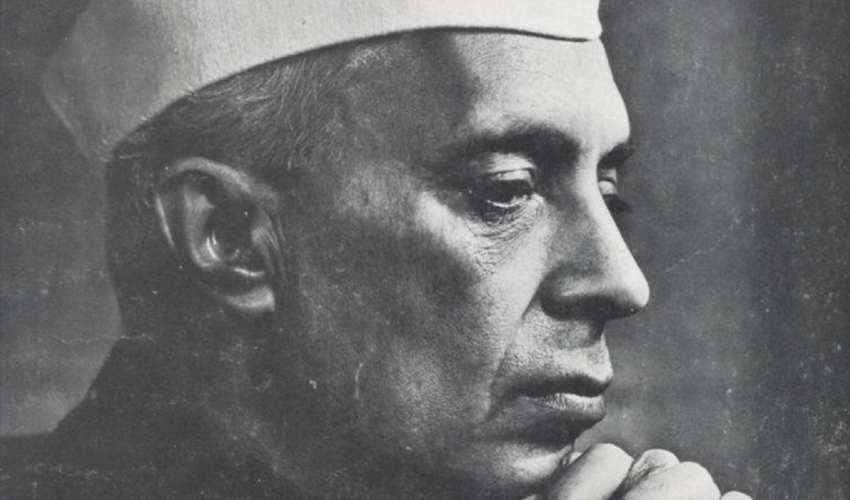
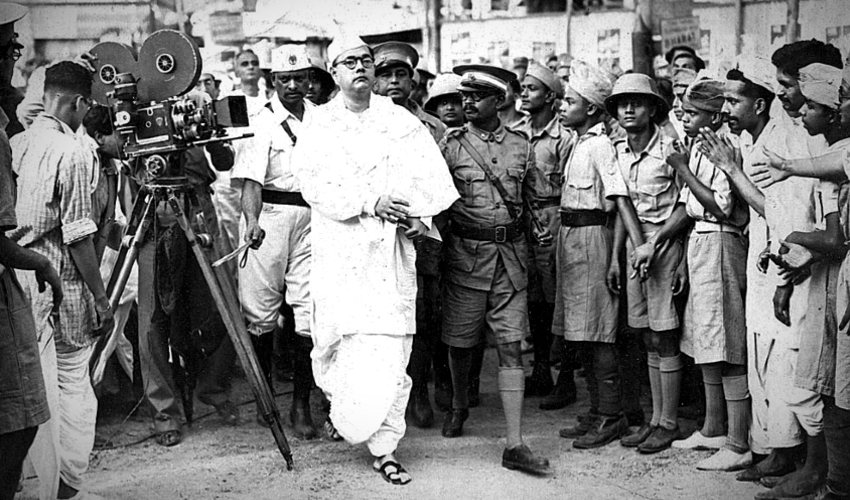
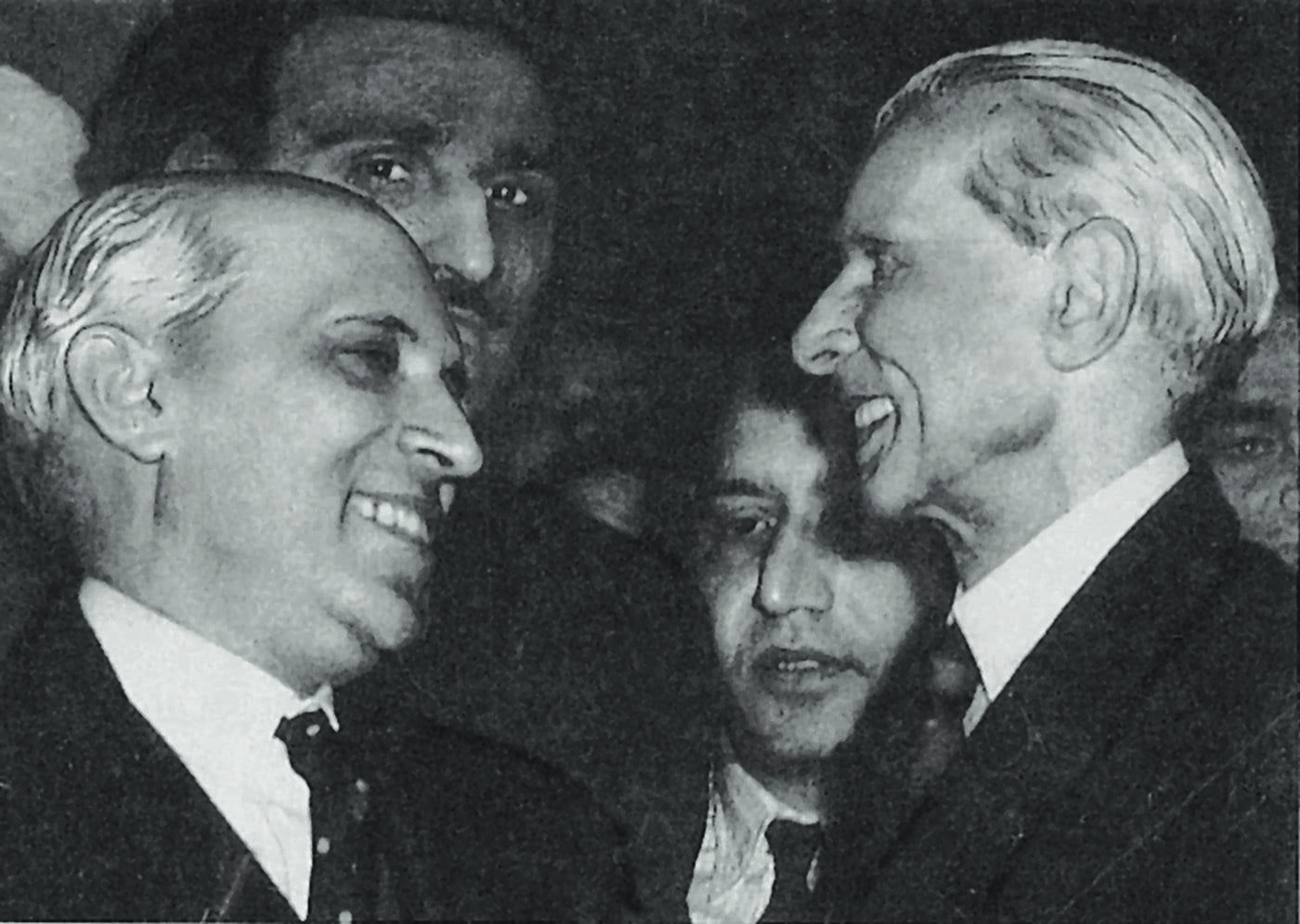
For too long nation, national, nationalism and nationalist have served as inclusive all-embracing notions that adorned the narrative of India’s historical journey towards self-rule to suggest an idyllic unity of purpose that managed to conceal the not-so-idyllic features that lay beneath. Romanticisation and euphoria, scorn and cynicism have all formed part of the old storyline of India’s freedom struggle whose clichéd imagery has now well crossed its sell-by date. Simplistic images of nationalism still persist today for two related reasons: in ideologically trimmed and fine-tuned shapes and forms, the images are used as reference points for independent India’s political and social goals by newer vested interests. This ideological referencing then stretches further by idealising, even idolising constructed ideas of nation and nationality, and valourising performances of particular leaders by hailing them as saviours of the nation. Apparently innocuous, when extended to the point of emulation and replication, it becomes both acontextual and ahistorical. A multi-level re-examination of leaders’ roles and contexts enables a better understanding of why even as frontrunners, only the genius of some could go beyond their contexts (Gandhi being a prime example), while the proficiency of others like Patel, Jinnah, Bose, and to some extent even Nehru—though effective and indispensable in the milieu in which they operated—was problematic.
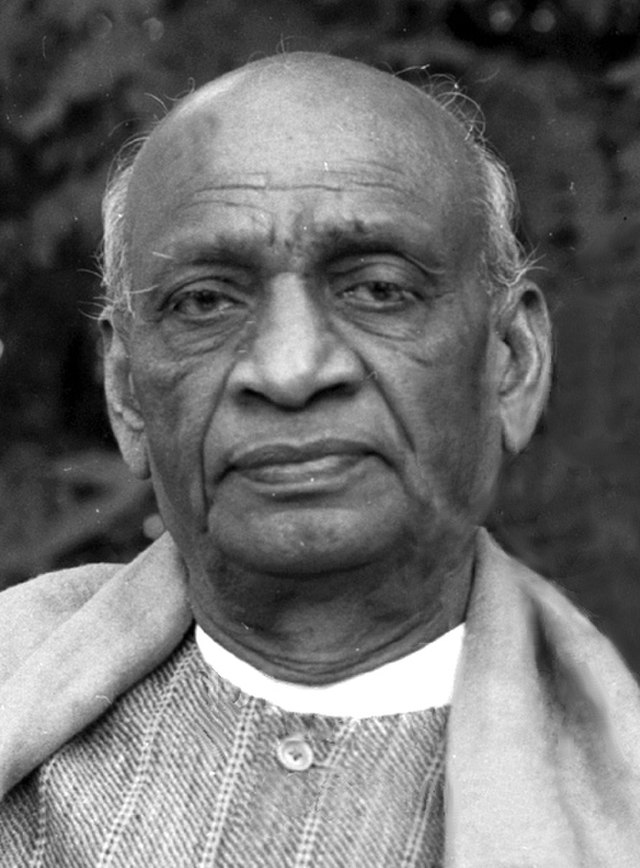
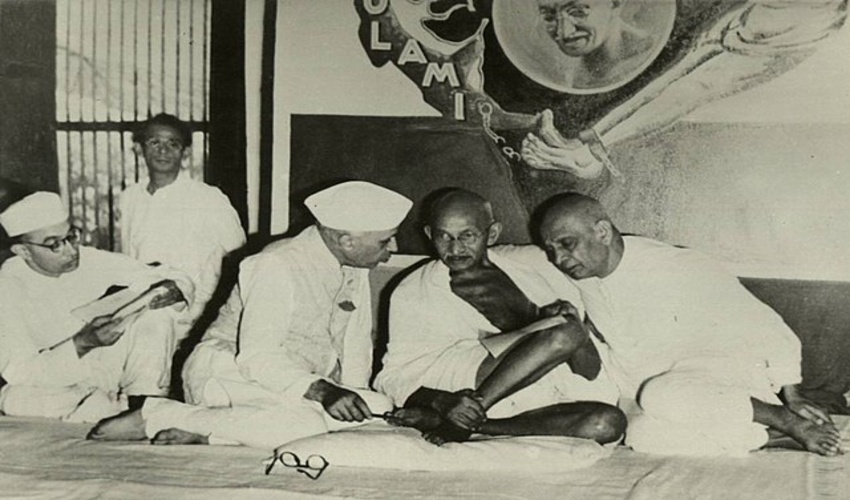
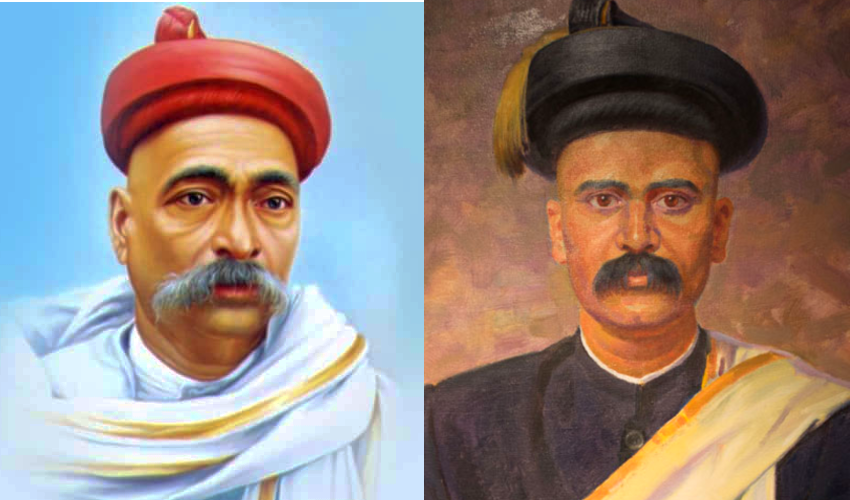
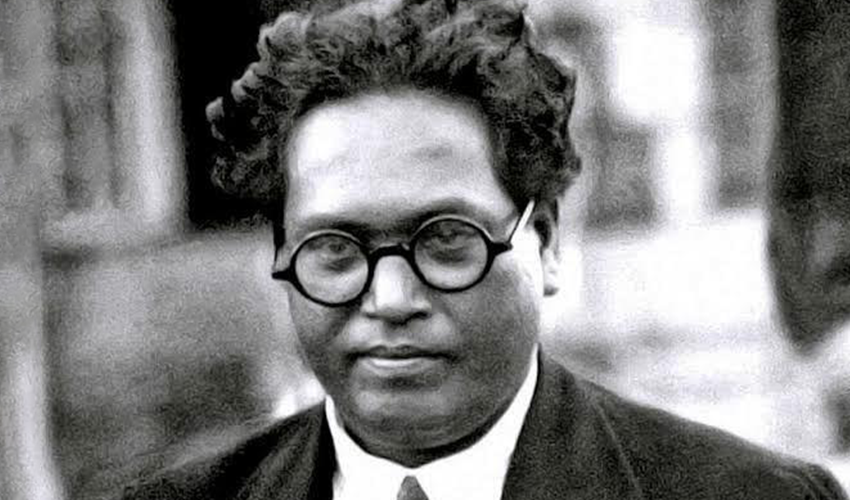
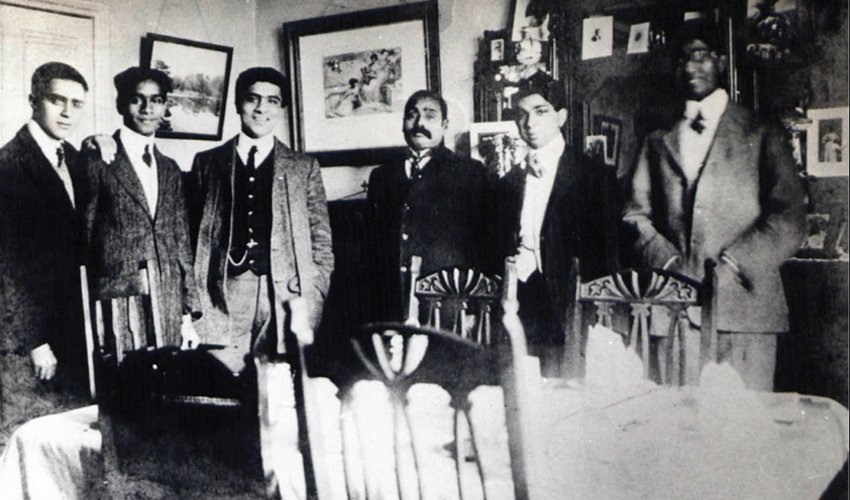
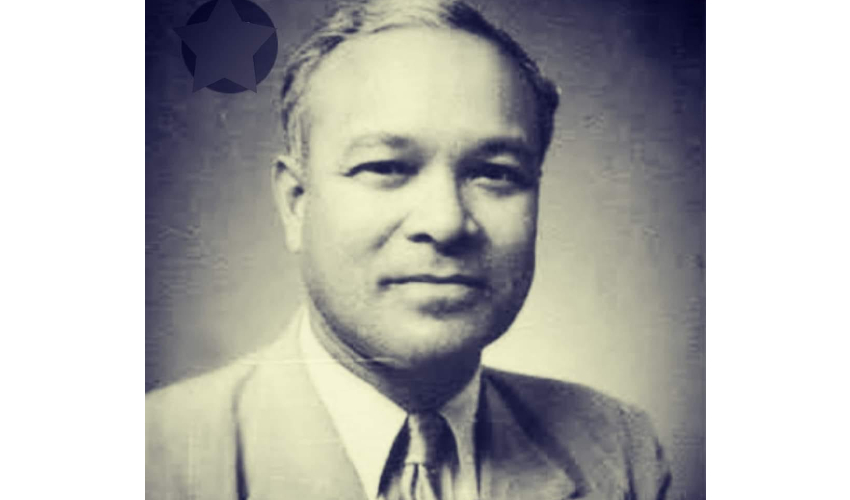
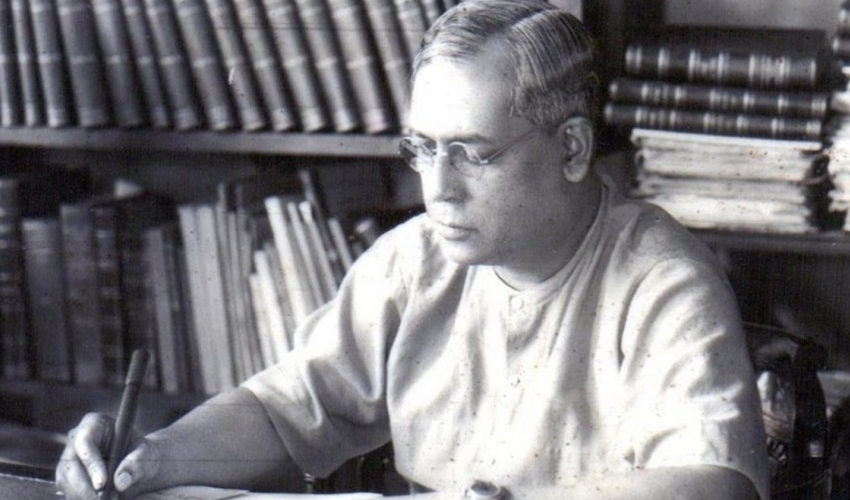
Figure: Vallabhbhai Patel
One concern as the story of our main protagonist, Vallabhbhai Patel, unfolds is the lack of clarity around words like ‘freedom’, ‘independence’ and even ‘nationalism’ in the context of India’s journey to self-government. It would be a long route if we were to burrow deep into nationalism as a concept, or trace its manifestation and development in other nations, primarily European, that may or may not have inspired its unfolding in our history. Suffice it to say that from its context after the French Revolution when French nationalism leaned on cultural and linguistic roots, to the later German version based on exclusion, anti-French sentiments and a phobia of Russia, to translate into a militarised territorial expansion, we can extract but three concepts—language, territory and cultural characteristics—as the commonest prerequisites of nationalism.
For a discussion on nationalism three sources have some relevance for us: Ernest Gellner, Eric Hobsbawm and Benedict Anderson, and this will become clear in our context as we analyse the particular brand of nationalism of this period (and it is particular), and interrogate the sanctity granted it by ‘national(ist)’ leaders (and indeed historians) despite the limitations associated specifically with the context in which it flourished (colonial). From its beginnings as a lofty sentiment fostering a sense of togetherness and misbranded ‘unity’, eulogised and nurtured to face an adversary, how did Indian nationalism become a tool that could be shaped and re-shaped for multiple purposes: one that would wrest power from the imperial enemy and rival political groups, as well as enable the forging of a somewhat shaky unity amidst a diverse people, so diverse that any attempt towards arbitrarily pigeon-holing them into mouldable categories was almost harmful?
The story of India’s national movement still serves as a backdrop for most of India’s ideological underpinnings, and as a bedrock of that most significant of relationships—that between the individual and the state— continues to throw up intriguing questions about the goals and methods adopted during a supposedly linear journey from ‘illegal’ satyagraha to ‘legal’ statehood. The questions are as important as the journey. Aside from a fundamental difference of views of different leaders and their followers on nationalism itself, there is a bigger problem. If its main thrust was (i) anti-colonial, and (ii) primarily political (as opposed to cultural, as in France), how would a nationalism used as a weapon to fight the coloniser be transformed into a constructed tool that would foster unity amidst India’s sharp divides and diversities of region, religion, language, caste, class and more? Would this (mis)translation of nationalism be able to inculcate a sentiment of togetherness that could be uniformly spread over a diverse people to paper what leaders saw as cracks, but people believed were differences that defined their lives and of which they were rightfully proud?
Nationalism’s initial emphasis was on a common political adversary, and there was an impression that it was large enough to ‘contain multitudes’ (to use Walt Whitman’s phrase). This may well have enabled ‘nationalist’ leaders to successfully rid the new nation of its enemy. But designed as it was for political purposes, it could hardly infuse the spirit of affinity in widely different peoples without their willing cooperation. To stand together, people had to be inclusively taken on board by leaders who represented them, rather than be indoctrinated by power-wielders who had clout. No matter how well-meaning they were as leaders, the question remained: how representative were they of differing categories and groups of peoples?
Despite the limitation that it was designed to combat colonialism, the active promotion of nationalism and national unity as primary goals was handled differently by leaders like Patel, Nehru or Bose. To gather support for ‘national’ goals it was necessary to obtain and maintain the support of people from regions with multiple affinities. How would these affinities and socio-economic grievances be grafted on to the larger, somewhat abstract, and yet concrete goal of anticolonial nationalism? Or were such awkward socio-economic questions addressed by Congress, the largest party, on sufferance and under pressure from other organisations? How were other protest movements (of the left and right) viewed, whose legitimacy came not just from an anti-colonial stance but from their socio-economic concerns: socialists for instance? Or was the objective of the ardent ‘nationalists’ to divert all protest movements unidirectionally into a larger movement that would flow like many rivers into the big sea labelled ‘national movement’? How was unity perceived and then sought, amidst the diversities that defined social groups and regions? Was it achieved; if so, how long could and would such a unity last?
There is a host of reasons why the present revisitation of the decades-old, for too long romanticised story of India’s journey towards independence, freedom and unification is being narrated for the most part through the voyage of a single-mindedly dedicated but also relatively prosaic and unromantic political leader—Vallabhbhai Jhaverbhai Patel. One reason is that he typifies the image of the quintessential Indian politician, grounded in the basic Indian realities of life and livelihood, traditional and conservative, with little by way of superfluous social and economic frills and fancies, honest to a fault and simple, but ambitious enough to engage in public life with the intention of producing results that his own judgement deemed fit.
With little by way of explanation, like My Experiments with Truth or An Autobiography, the workings of his mind are gleaned from his decisions and actions, a good enough measure for understanding the mind of a representative of political India at that time. In re-presenting him, in what may appear to be the same stale nation-building and unification narrative, there is a stripping away of the romance of the ‘freedom’ narrative to analyse how a person of relatively humble origins with essentially local but firm roots in his region—Gujarat—with its distinctive and heterogenous features, became one of the most effective major players in the much-acclaimed political drama of India’s journey to nation and statehood. He earned enough distinction to be adorned with glorious titles like ‘Sardar’, ‘Iron Man’, ‘Bismarck’, ‘Architect of Modern India’, and even as ‘The Man who Saved India’, an excessive claim that even devotees of the Mahatma would be reluctant to make for him. A few common features run like a thread through these laudatory titles: one suggests deliberation in forging ‘unity’, a desirable goal at any time, but one that could backfire if pushed too far and through unacceptable methods. Another implies active political engineering suggested in the words ‘Architect’, ‘Saved’ and ‘Iron’, indicating the development of a designed and distinctive style of politics, acknowledged as his hallmark. Missing in that list of titles is one—‘High Command’—that was often used for him in his later years, roughly from 1934 onwards for as long as he was in charge of the party machinery. That too would need analysis.
Continuing with our other metaphor, of the theatre, there is an attempt in this book to observe how political actors, differing in personality and social traits, read the script and observed the stage with its overarching ‘nationalist’ props, to deliver favourable as well as antithetical performances in their own characteristic ways to cultivate ‘national’ unity, regarded as the need of the hour. There is a level at which the rhetoric of that unity was skewed and its fundamentals somewhat specious: as a uniform means to a common end it fell short of addressing a differentiated people’s essential needs, as well as the loyalties, allegiances and commitments that defined their lives. The argument here is also that to project and parade an essentially anticolonial, highly political brand of ‘nationalism’ as total, unqualified and absolute was flawed. Its demand for out-and-out loyalty was misdirected given its ambiguity and inability to address the allegiances of a diverse people, not all of which were primordial or irrelevant. By premising it on a kosher concept called ‘unity’ and projecting unity as an essential component of a much desired nationalism for a diverse un-united (as opposed to disunited) people, some leaders were constructing a new storyline for their vision of India.
Unfortunately there were contradictions in that storyline. The primary goal was self-government, so that taking control of the power that lay in imperial hands was a concomitant step. The rules of the game however had been set out by the imperial power, and unity, as they perceived it—mechanical not organic—was a prerequisite to any hand-over, even if they had no clear idea what that unity was, or how it would translate into reality in the Indian social scene, of which they understood little.
How is unity achieved in diversity? British rulers had no idea; Patel believed he did: it could be fostered, faked, feigned, forged, even forced in order to meet the exigencies of the situation. Patel took on the job of fabricating it, through means and methods developed during his apprenticeship with the Mahatma, tweaking it when required, and achieving some political success as a satyagrahi and as a political manager and administrator: the following chapters will demonstrate that. Up to a point the method worked politically, even when there was little clarity about what national unity meant even for self-styled nationalists who were not bound by the non-political features of nationalism (culture, language). What did get missed was just how problematic a nationalism so deeply immersed in anti-colonialism could be. If nationalism was a sentiment, it was never explained. If it was a territorial puzzle, that was not explained either. It needed to have been seriously reworked, not superimposed to address the miscellany of India’s social and cultural fabric. The catchphrase ‘unity in diversity’ remains unexplained to this day precisely because it was never adequately addressed. It needed debate and discussion, and some definition and description for people to identify with it.
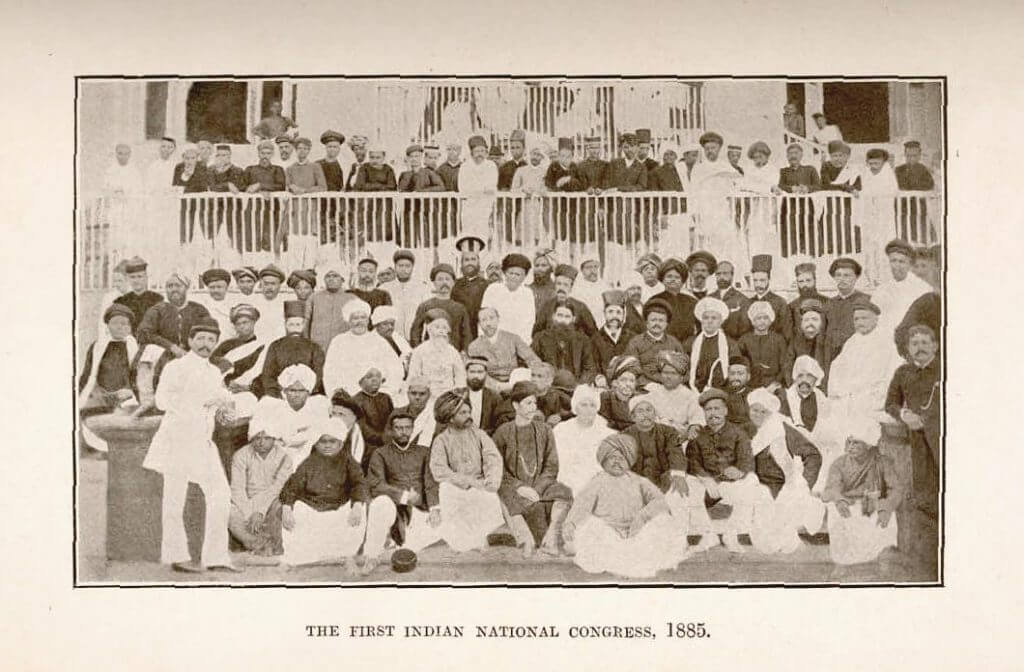
Patel took recourse to a formula not unknown in Congress thinking: to avoid engaging with issues that were underlying causes for the lack of social cohesion, or simply a lack of unity. These issues were economic inequality, and socio-cultural differences, features too complex to be handled casually. The avoidance strategy had a history: it had been adopted not long after the Indian National Congress was formed in 1885. Among the ‘fundamental principles’ that A. O. Hume spelt out as ‘objects’ of the national movement by its originators, one is significant for the present discussion: ‘…the fusion into one national whole of all the different and, till recently, discordant elements that constitute the population of India’.6 There was a misnomer here: the use of ‘fusion’, ‘national whole’ and ‘discordant’ belied a proper understanding of the nuances of Indian society as early as 1888. There was a failure to grasp the fact that conflicting social and regional differences did not always amount to being ‘discordant’, and an inability to understand that their ‘fusion into a national whole’ was unlikely to serve as a panacea for all the unacceptable features in Indian society ran like a constant thread from beginning to end in the imperial power’s perception of Indian society.
Indian leaders were not unaware of the ills of inequality. Gopal Krishna Gokhale referred to them as ‘divisions and sub-divisions’ (he was talking of castes and sub-castes) which could hamper India’s progress. While his gurus and mentors, like M. G. Ranade, relentlessly advocated social reform, Gokhale despite his quest for reform, saw greater merit in the path of education and political uprising, including civil agitation against unjust imperial measures. His reason for doing so was the precedent that had been set in early sessions of Congress: in 1887 the Congress refrained from discussing the question of cow-killing, and in 1888 a resolution was passed that no subject could be discussed at a Congress session if the majority of Hindu and Muslim delegates objected to it as a body. Constitutional stalwarts of the period believed political debate had to be conducted without major fundamental conflict, and because a discourse on social ills in the community always ended in a war of words, it was best avoided till India was politically strong and free enough to take her place among the nations of the world. In establishing the ‘Servants of India Society’ Gokhale’s idea was to train men for the work of ‘political education and agitation’, and ‘promote by all constitutional means the national interests of the Indian people’.
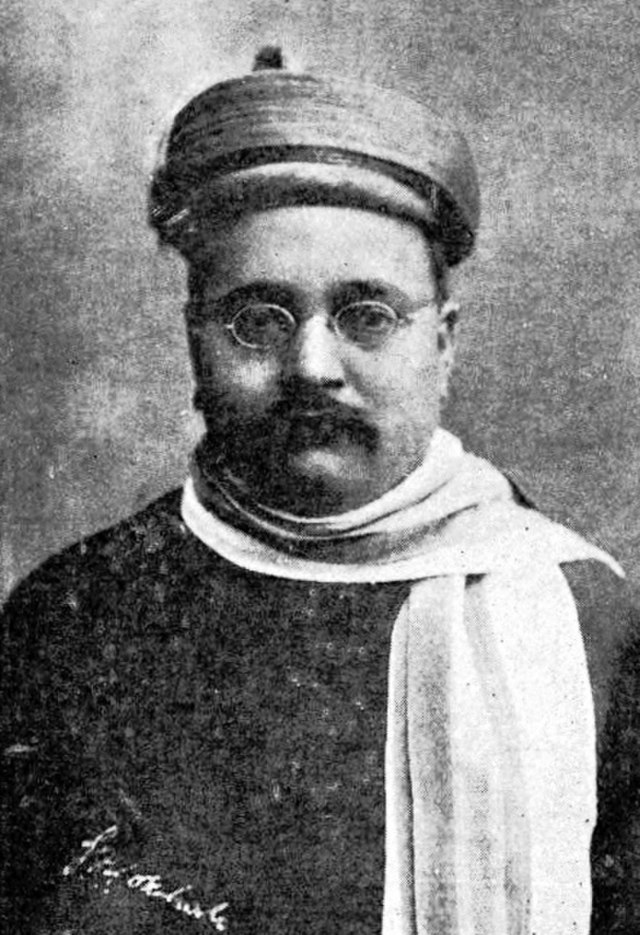
Figure: Gopal Krishna Gokhale
Ironically it was not Gandhi who took a political leaf out of his mentor Gokhale’s book; it was Patel. Gandhi’s experiences of 22 years in South Africa ensured that he would bring all the lessons learnt about prejudice, social discrimination and inequality back to India. Gandhi revered Gokhale as his master and guru and after his death in 1915 took a vow to go barefoot for a year to honour him. But he also believed the bull of social ills had to be taken by the horns and tackled with all the moral might at his command. Politics would come a close though essential second to social change. Patel learnt about Gokhale from Gandhi and even without any direct contact between the two there was something of the practical Gokhale in Patel in his choice of the path of political advancement rather than its mix with social reform. Joining the Ahmedabad Municipality was Patel’s first institutional experience, and fighting imperial laws through ‘satyagraha’ his lesson in agitation. For the rest, ensuring Congress’s political success was mission number one in which both lessons came in handy. In the conflict between two brands of Congress politicians—the band of angry rebels, and the plodders who chose the practical political route to replace the imperial power—Patel was to become what Gokhale has been described as: ‘the ablest spokesman of the Old Guard’.
This excerpt has been carried from Vallabhbhai Patel: The Limitations of Anti-Colonial Nationalism and Electoral Politics by Rani Dhavan Shankardass.
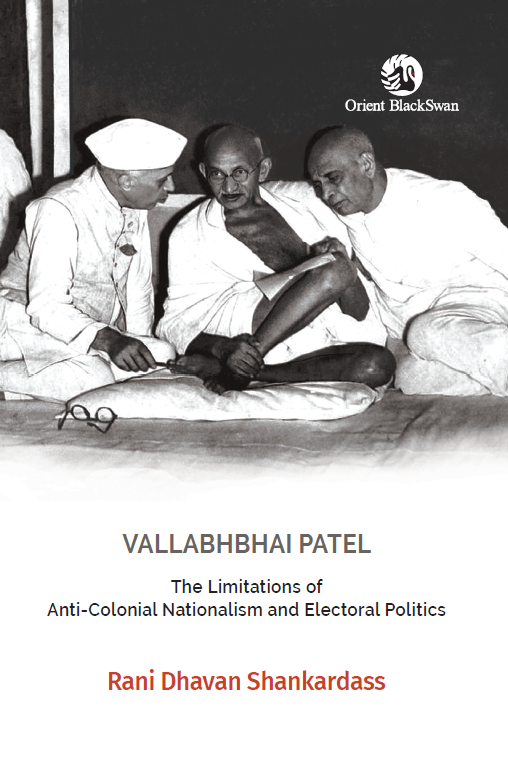 You can buy Vallabhbhai Patel: The Limitations of Anti-Colonial Nationalism and Electoral Politics by clicking on the book cover above.
Rani Dhavan Shankardass is an Indian social historian and global expert on prison reform. She is the Secretary General of Penal Reform and Justice Association (PRAJA) and the President of Penal Reform International. Dr Dhavan Shankardass has written extensively on social history and human rights. Notable published works include The First Congress Raj: Provincial Autonomy in Bombay (Macmillan, 1982), Vallabhbhai Patel: Power and Organization in Indian Politics (Orient Longman, 1986), Punishment and the Prison: Indian and International Perspectives (Sage, 2000) (an edited multi-disciplinary volume that spanned history, sociology, law, justice and gender), and Barred from Life and Scarred for Life: The Experiences of Women in the Criminal Justice System in India (PRAJA, 2004). Her most recent publications are Of Women Inside: Prison Voices from India (Routledge, 2011) and In Conflict and Custody: Therapeutic Counselling of Women (Sage, 2012).








Leave a Reply